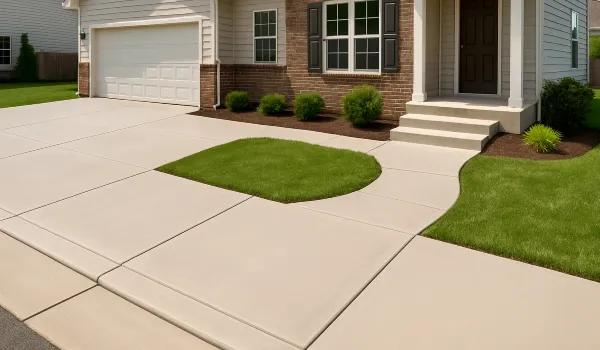

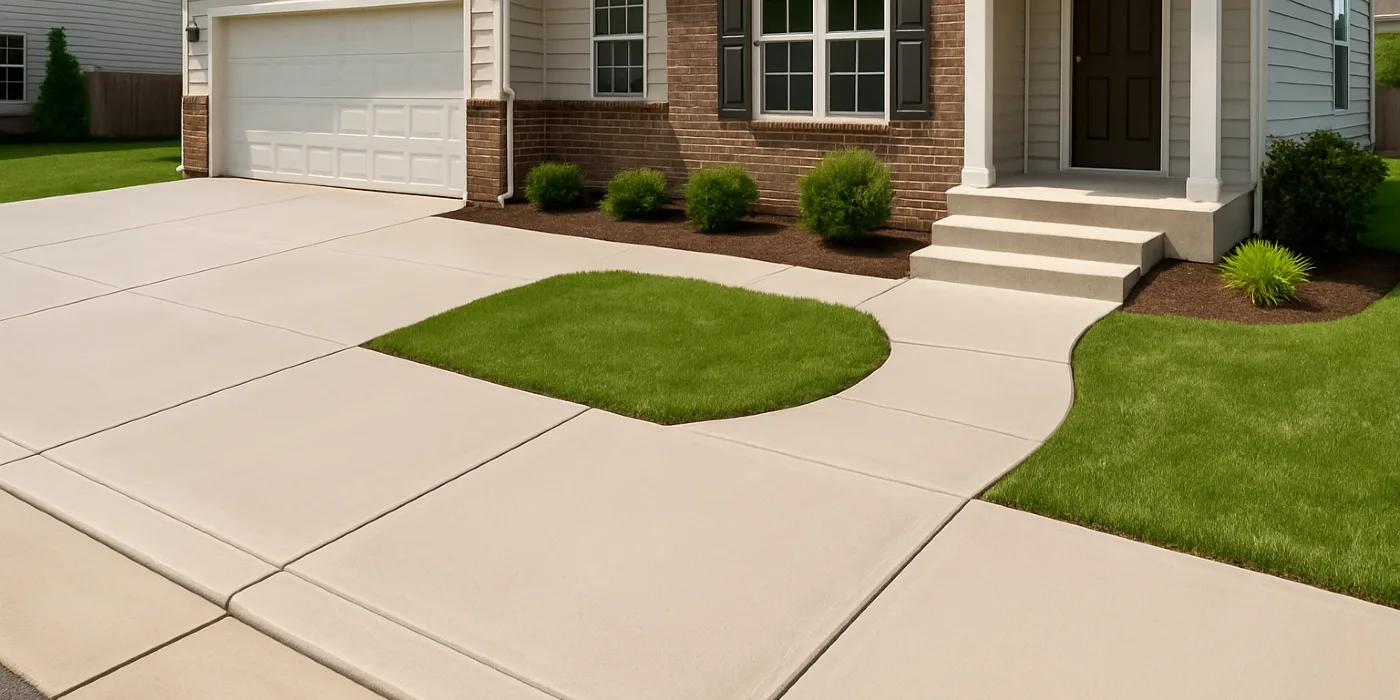
At Phoenix Concrete Contractor, we specialize in using the best practices to pour concrete slab for foundations. A concrete slab foundation is one of the most important structural elements of any building. In Phoenix, AZ—where extreme heat, dry climate, and occasional monsoon moisture create unique conditions—proper preparation and installation are essential. Pouring a slab foundation without considering these environmental challenges can lead to structural issues, cracking, or costly repairs down the line. To help you build a durable, long-lasting foundation, here are the best practices to follow and common mistakes to avoid.
Before any concrete is poured, the site must be carefully evaluated. This includes removing vegetation, rocks, old concrete, or debris. Compacting the soil and grading the site ensure a stable, level surface that promotes good drainage.
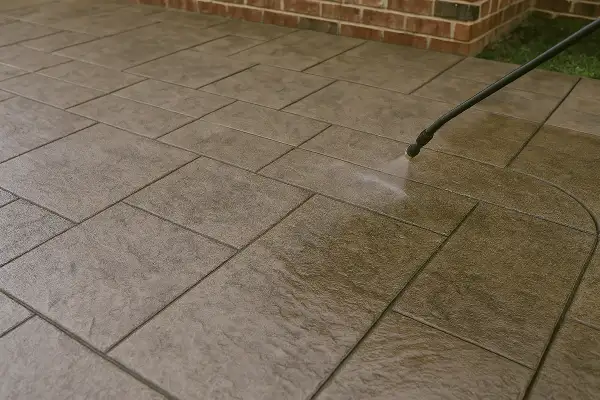

When searching for concrete services near me, or best concrete slab contractors you can trust in our expertice. Phoenix soil—often sandy or clay-heavy—requires adequate compaction to prevent settling. A compacted base reduces the risk of the slab sinking or cracking over time. Mechanical compactors are typically used to create a stable foundation.
A well-prepared gravel base provides drainage, improves soil stability, and supports the slab. In Phoenix, where heavy rain can follow long periods of dryness, proper water management is critical to preserve the foundation.
One factor we should notice is that footing slab foundation plays a pivotal role when it comes to concrete slab best practices. Phoenix’s heat causes concrete to cure faster than normal. Using an appropriate mix designed for hot weather helps avoid rapid moisture loss, preventing shrinkage and cracking. Contractors may use additives or retarders to improve workability in high temperatures.
Reinforcement helps concrete withstand movement and prevents cracking. Rebar and welded wire mesh are commonly used to provide strength and structural integrity. Proper placement ensures the reinforcement stays in the center of the slab during the pour.
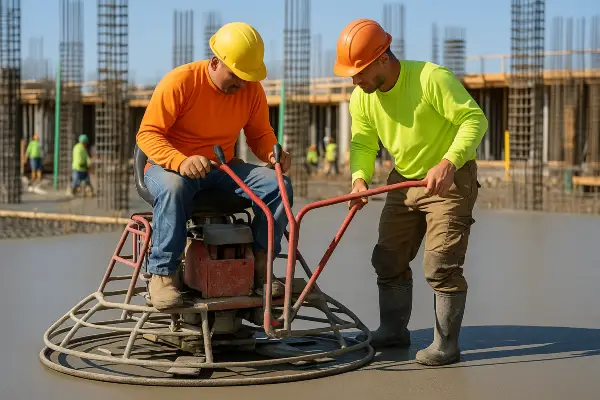
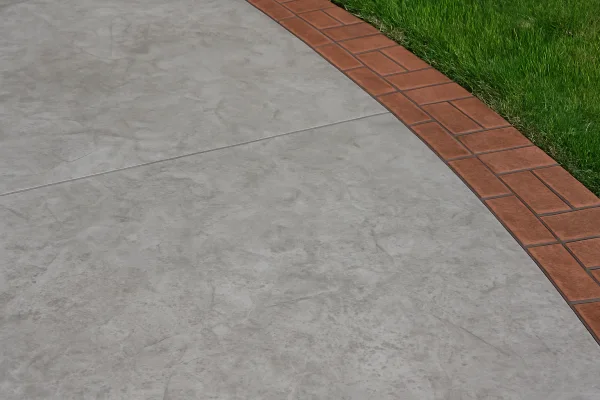
The desert climate causes frequent temperature fluctuations between day and night. To accommodate this movement, installers use expansion joints, control joints, and proper reinforcement. These measures relieve internal pressure and help prevent random cracking.
Curing is one of the most important steps—and one often rushed. Phoenix heat evaporates moisture quickly, which can lead to weak or brittle concrete. Keeping the slab damp during curing, applying curing compounds, or using shade coverings help the slab reach maximum strength.
PHOENIX CONCRETE CONTRACTOR
10221 N 32nd St, Phoenix, AZ 85028
(602) 962-5189
info@phoenixconcretecontractor.net
Hours of Operation
Open 24 Hours